
A mental health crisis happens when feelings become too much to handle. It’s not just stress or sadness. It’s when you feel lost, scared, or unable to cope. Many people in Australia face this every day. Anxiety, depression, and emotional pain can build up until it feels impossible to go on. When that happens, it’s a sign you need care and support. Getting help early can stop things from getting worse. Everyone deserves a safe place to talk, heal, and feel understood. This guide will help you know what a mental health crisis is, its causes, and how to seek help when you or someone you love is struggling. Healing is possible, and no one has to face it alone.
What Is a Mental Health Crisis?
A mental health crisis is when someone feels emotionally unsafe or unable to cope with life. It’s a moment when pain, fear, or hopelessness takes over, and the person no longer feels in control. This can happen to anyone, and it doesn’t mean weakness; it means the mind is asking for care and support.
Understanding a Mental Health Crisis
A mental health crisis can look different for each person. For some, it feels like a sudden emotional breakdown. For others, it builds up slowly through stress, sadness, or exhaustion. It’s when thoughts, feelings, and actions become too heavy to manage alone.
People may cry often, stop eating, or struggle to sleep. Some may feel numb or withdrawn, while others might act out in anger or panic. In severe cases, a person may think about self-harm or suicide. These moments are signs of profound psychological distress and need urgent attention.
A crisis is different from everyday stress. It’s not something you can “snap out of.” It’s a mental health emergency that needs gentle care, time, and professional help. Reaching out for support from family, friends, or a counsellor is the first step toward safety and healing.
The most important thing to remember is this: you’re not alone, and help is always available. Recognising a mental breakdown or emotional crisis early can save lives and open the door to recovery.
The Growing Mental Health Crisis in Australia
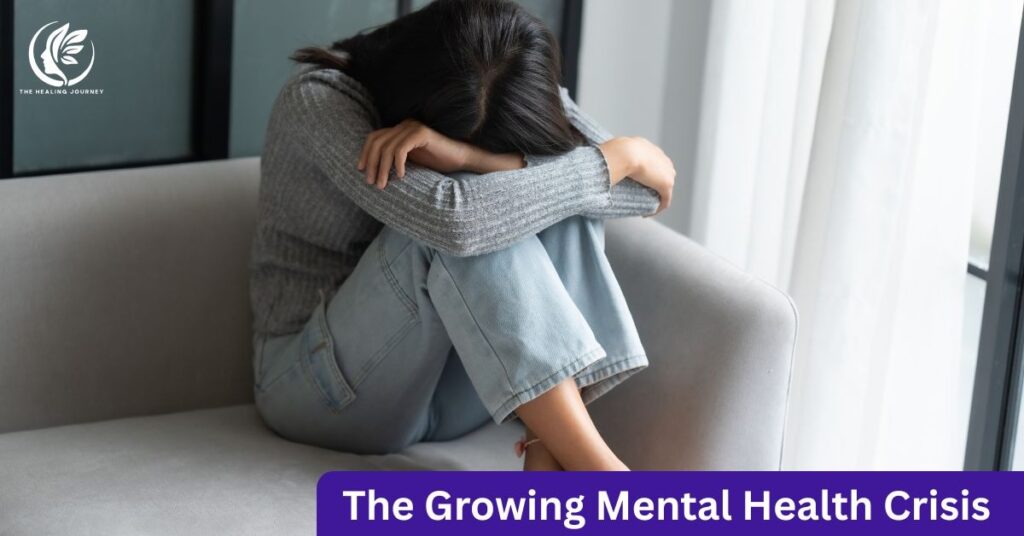
Australia is facing a severe mental health crisis. Every year, more people reach out for crisis support because they feel anxious, depressed, or unable to cope. Mental health problems are now one of the biggest public health concerns in the country.
Why the Crisis Is Getting Worse
Many things are adding pressure to people’s lives. The cost of living continues to rise, jobs are less stable, and social connections are weaker than they were before. Since the pandemic, feelings of loneliness and burnout have also increased. For young people, social media often exacerbates stress, creating pressure to appear perfect or achieve success quickly.
Across Australia, thousands live far from proper care. In small towns, it can take months to see a psychologist or counsellor. Even in cities, waiting lists for therapy are long. This makes it harder for people to seek help before things escalate.
Recent mental health statistics in Australia show that nearly half of all adults will face a mental health issue at some point in their lives. Yet many still don’t get the care they need.
We are talking more about mental health than ever before, but access to help must match the awareness. Early support, Open conversations, and better access to Counseling Services can help turn this crisis into a path toward recovery and resilience.
Common Causes Behind Mental Health Crises
A mental health crisis doesn’t happen overnight. It often builds up over time when stress, pain, or pressure becomes too much to handle. Many minor problems can pile up until the mind and body can no longer cope. Understanding what causes these crises can help us prevent them and promote our overall well-being.
What Triggers a Mental Health Crisis
There isn’t one single cause. Every person’s story is different. However, most crises stem from a combination of biological, psychological, and environmental factors. Biological causes include factors such as genetics, chemical imbalances, or long-term illnesses. When the brain’s chemistry changes, emotions can become harder to control. Psychological causes often come from trauma, grief, or chronic stress. People who have faced abuse, neglect, or significant life changes may struggle more with emotional pain. Over time, this can lead to burnout or feelings of hopelessness.
Environmental causes include financial stress, work pressure, relationship problems, or isolation. In today’s fast-paced life, constant comparison and social media pressure also add to the emotional load. Each of these life stressors can act as a mental illness trigger when support is missing. The good news is that help, care, and early intervention can prevent a crisis from worsening. Knowing the root causes helps people find balance, healing, and strength again.
Warning Signs You Shouldn’t Ignore
Recognizing the early signs of a mental health crisis can save lives. Emotional pain, changes in behavior, or physical symptoms often show before a situation becomes serious. Learning to spot these signs in yourself or others helps you take action early. Being aware of mental health warning signs gives a chance to get support and prevent things from getting worse.
Emotional Signs
Emotions are often the first signals of a mental health struggle. Feeling hopeless, angry, or sad for extended periods can be a warning sign that something is amiss. Sudden mood swings or frequent crying are also signs that someone might be in distress. Changes in emotions, such as feeling numb or disconnected, are essential to notice. These depression symptoms and emotional changes should never be ignored.
Behavioral Signs
Behavior often shows what emotions hide. Withdrawal from friends, family, or hobbies can be a sign of trouble. Reckless actions or risky behavior can appear suddenly. Some may show self-harm tendencies. Skipping work, school, or responsibilities is also a warning. Monitoring changes in everyday habits can help identify a crisis early.
Physical Signs
The body also reacts to mental strain. Sleep problems, fatigue, or a sudden change in appetite may signal distress. Headaches or constant stomach issues can appear without a clear medical cause. Paying attention to these physical warning signs alongside emotional and behavioral changes is essential.
Noticing these signs early allows you to seek help. Talking to a loved one, a professional, or calling a mental health helpline can make a real difference. Acting early gives hope and prevents the crisis from getting worse.
What to Do If You or Someone You Know Is in Crisis
If you or someone close is facing a mental health crisis, it’s essential to act quickly and calmly. The first step is to stay safe. If there is immediate danger, calling emergency services or going to the nearest hospital is essential. Even if the situation feels overwhelming, help is available, and every step counts.
Reach out to a trusted person, such as a friend, family member, or counselor. Simply talking and being heard can reduce the weight of emotional pain. Listening without judgment and offering support makes a huge difference.
Australia has many resources for those in crisis. Lifeline, Beyond Blue, and Headspace provide 24/7 support for anyone struggling. Calling a crisis helpline can connect you to trained professionals who understand what you are going through.
For someone showing signs of severe distress, it is best to avoid leaving them alone. Encourage professional help while being patient and understanding. Sometimes, just being present and showing empathy can prevent the situation from worsening. Remember, seeking help is not a sign of weakness. It’s the first step toward recovery and safety.
Professional Help: Where and How to Seek Treatment
When facing a mental health crisis, professional help can provide guidance and support to recover. Trained experts know how to manage stress, anxiety, depression, and other mental health challenges. Seeking help early can prevent problems from worsening and provide safe ways to cope with emotional pain.

Types of Mental Health Professionals
Different professionals offer different types of support. Psychologists focus on talk therapy to help manage thoughts and emotions. Psychiatrists can prescribe medication if needed, especially for depression or anxiety. Counsellors provide guidance for everyday stress, relationships, and coping strategies. Each professional plays a vital role in helping someone regain stability and emotional balance.
Finding the Right Treatment
The proper treatment often includes therapy, support, and, in some cases, medication. Early intervention is crucial because it can prevent a crisis from escalating. Many clinics and online services in Australia make access easier. Choosing a provider who makes you feel safe and understood is key.
The Healing Journey offers compassionate and personalized mental health care, helping individuals feel supported as they navigate their recovery. Professional support gives tools, strategies, and encouragement. Reaching out is the first step toward hope, healing, and long-term mental wellness.
Steps Toward a Healthier Future
Recovering from a mental health crisis is possible. Slight, consistent steps can improve emotional well-being over time. Everyone’s journey is different, but taking proactive measures can help prevent future crises. Learning to manage stress, emotions, and daily challenges builds resilience and hope.
Self-Care and Daily Habits
Simple daily habits make a real difference. Regular sleep, balanced meals, and light exercise support both mind and body. Practicing mindfulness, journaling, or meditation helps process emotions and reduce anxiety. Staying connected with friends, family, or support groups also strengthens mental well-being.
Seeking Support and Professional Care
Professional help is essential. Therapy, counselling, and sometimes medication guide recovery and provide tools to cope with stress. The Healing Journey offers compassionate, personalized care to help individuals regain balance and emotional strength. If you or a loved one is struggling, reaching out today can be the first step on the path to healing.
Building Resilience and Hope
Resilience comes from understanding emotions, seeking help when needed, and practicing self-compassion. Small achievements and learning coping skills build hope. Recovery is not always a straight path, but every step forward matters. Take action now and contact The Healing Journey to begin your journey toward a healthier, more balanced life.
Taking the first step toward mental wellness can feel hard, but you don’t have to do it alone. The Healing Journey provides compassionate, professional support to help you manage stress, anxiety, or a mental health crisis. Booking a session is easy. Whether in-person or online, our sessions are tailored to your needs.
Conclusion
A mental health crisis can feel overwhelming, but help is always available. Recognizing the warning signs, seeking professional support, and leaning on family and friends can make a real difference. Small steps, self-care, and compassionate care guide recovery and build resilience. The Healing Journey offers safe, personalized support to help you regain balance and emotional well-being. Don’t wait, reaching out today can start your path to healing.
Frequently Asked Questions (FAQs)
What is a mental health crisis?
A mental health crisis happens when stress, fear, or emotional pain becomes too much to manage alone. It may involve severe anxiety, depression, or thoughts of self-harm.
How can I recognize a crisis in myself or others?
Look for emotional changes, such as hopelessness or sudden mood swings, and behavioral signs, including withdrawal or reckless actions. Also, observe physical signs, such as sleep disturbances, fatigue, or changes in appetite.
Where can I get help in Australia?
You can contact Lifeline, Beyond Blue, or Headspace for 24/7 support. Professional therapy, counselling, or online sessions through The Healing Journey are also effective options.
How can family and friends help?
Listening without judgment, offering emotional support, and helping access professional care are key. Staying patient and attentive can prevent a crisis from worsening.
What steps can I take to prevent future crises?
Practice self-care, maintain healthy daily habits, seek professional support early, and build resilience through mindfulness, social connection, and emotional awareness.
One Response