
Quick answer: To reduce anxiety immediately, slow your breathing (try box breathing: inhale 4, hold 4, exhale 4, hold 4), then ground yourself using the 5-4-3-2-1 method: name 5 things you see, 4 you touch, 3 you hear, 2 you smell, 1 you taste. Together, these calm your body and mind within minutes.
How to reduce anxiety immediately is something many people wish they could do when worry hits fast. Your heart beats hard, your thoughts rush, and it feels like calm is far away. The truth is, you can feel better within minutes using a few simple steps.
Deep breathing, gentle grounding, or focusing on what you see and hear can help your body relax and your mind slow down. These small actions tell your brain that you are safe. You can use them anytime before a meeting, during a stressful moment, or when you wake up feeling uneasy.
Knowing how to calm anxiety fast gives you a sense of control, even in challenging moments. In this guide, you will learn clear, easy ways to feel calm, steady, and back in balance right when you need it.
Understanding Anxiety: Why It Feels So Intense
Anxiety can show up suddenly and feel bigger than the moment calls for. Heart pounding, breath tight, body bracing to run or fight, even when there’s no real danger. That’s your fight-or-flight response, your nervous system reacting as if you’re under threat.
When your brain senses stress, it releases hormones like adrenaline and cortisol, raising heart rate, tensing muscles, and sharpening focus on the “threat.” It’s your body trying to protect you, but when it fires too often, it wears you down. Restlessness, dizziness, shakiness, all part of the same response.
Worth knowing: regular anxiety can also be a symptom of an underlying health condition, so if it’s persistent, it’s worth ruling things out with a GP rather than assuming it’s “just stress.”
How Recognizing Anxiety Helps You Calm It
The first step to reduce anxiety immediately is simply noticing it. Naming the feeling, “I’m anxious right now”, slows down your brain’s alarm system. Once recognized, you can act: breathe, ground, stretch.
Anxiety isn’t weakness. It’s a normal response everyone experiences. The goal isn’t eliminating it; it’s understanding it well enough to respond with care instead of panic.
Quick Breathing Techniques That Work Instantly
When anxiety hits, breathing goes fast and shallow, which tells your body danger is close, feeding the panic further. A few simple breathing techniques for anxiety reverse that signal fast, and they’re the most-recommended first step across nearly every clinical resource on this topic.
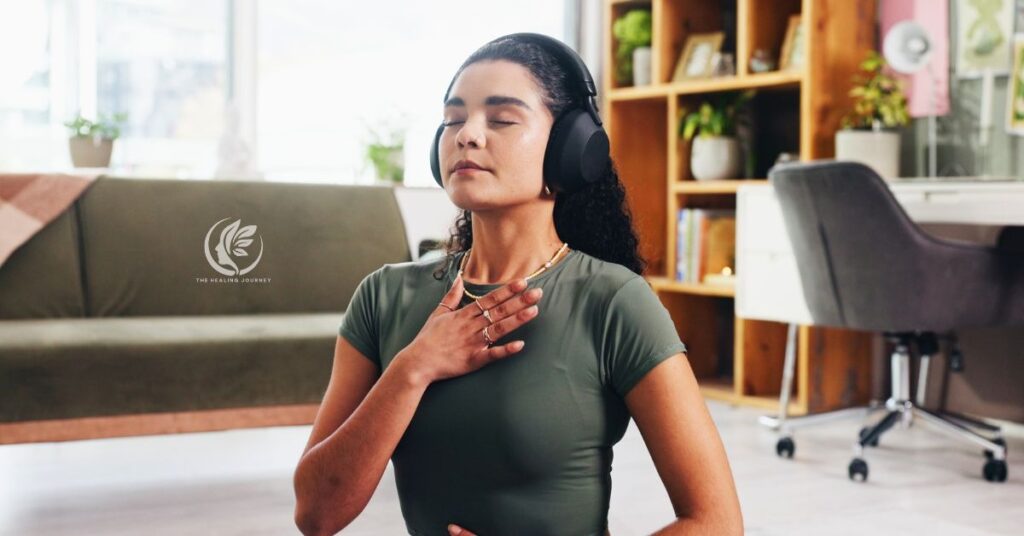
Why Breathing Helps You Calm Anxiety Fast
Breath and the nervous system are tightly linked. Slow, deep breathing lowers heart rate, relaxes muscles, and settles racing thoughts, one of the fastest ways to reduce anxiety immediately. Even a few minutes shifts your body from stress mode to rest mode.
Simple Breathing Exercises You Can Try Anywhere
1. Box Breathing (4-4-4-4 method)
Inhale through the nose for 4 counts. Hold for 4. Exhale through the mouth for 4. Hold again for 4. Repeat a few rounds; great for fast anxiety relief.
2. Deep Belly Breathing
One hand on your belly, one on your chest. Inhale through the nose, letting the belly rise more than the chest. Exhale slowly through the mouth. Keeps you grounded and lowers stress.
3. 4-7-8 Breathing Technique
Inhale for 4, hold for 7, exhale for 8. The long exhale releases tension and slows your heart rate, useful if anxiety is keeping you up at night, since it also helps the body wind down for sleep.
Making It a Habit
Practice these while driving, working, or before sleep. The more familiar the pattern, the faster it works when anxiety actually shows up. Breathing’s always with you, one of the simplest tools you’ll ever need.
Grounding Techniques to Calm the Mind
When anxiety overwhelms, thoughts spin out of control. Grounding pulls focus back to the present, quieting the noise. Used well, it gives instant anxiety relief and a sense of steadiness, especially helpful if you’re dealing with anxiety alone and don’t have anyone to talk you through it in the moment.
Why Grounding Works for Anxiety
Anxiety often comes with racing thoughts or panic. Grounding connects your mind to your body and surroundings. It helps your nervous system relax and reminds your brain that you are safe. By focusing on the senses- what you see, hear, touch, smell, or taste- you bring yourself back to the present. This is a practical and fast way to calm anxiety.
Easy Grounding Techniques You Can Try
- 5-4-3-2-1 Method: Name 5 things you see, 4 you can touch, 3 you hear, 2 you smell, 1 you taste. Forces immediate presence.
- Touch-Based Grounding: Hold something textured, a stone, stress ball, mint or sour sweet in your mouth, or run cool water over your hands. Physical sensation anchors you fast.
- Counting Backwards: Count Backwards from 100 in threes (100, 97, 94…). Simple, but it occupies the part of your brain that’s spiralling.
- Focusing on Your Surroundings: Name colors, shapes, patterns around you. Counting or naming objects interrupts anxious thoughts.
Making Grounding a Daily Habit
Practice regularly, not just during anxiety spikes. The more familiar it feels, the faster it works when panic starts, teaching your brain that calm is always reachable.
Relax Your Body: Quick Muscle and Movement Methods
Anxiety builds physical tension- tight shoulders, a clenched jaw, and shallow breath- which then feeds the anxious thoughts further. Releasing that tension breaks the loop fast.
Why Physical Relaxation Helps Anxiety
Tense muscles keep your nervous system in alert mode. Releasing that tension signals to your brain that it’s safe to slow down, a quick, physical way to reduce anxiety immediately.
Easy Muscle and Movement Techniques
1. Progressive Muscle Relaxation (PMR): Start at your toes, work upward. Tense each muscle group for a few seconds, then release. Notice the contrast; that’s what calms you.
2. Stretching and Gentle Movement: Roll your shoulders, stretch overhead, twist gently at the torso. Releases stiffness fast.
3. Short Walk or Simple Motion: Even a few steps burn off anxious energy and help your mind settle naturally. Regular exercise, more broadly, reduces baseline anxiety over time, not just in the moment.
4. Watch What You’re Eating and Drinking: Caffeine, alcohol, and sugary food and drinks can all make anxiety and panic worse. If anxiety hits often, cutting back on these, especially in the evening, makes a noticeable difference.
Tips for Making It Work
Use these before a meeting, mid-stress, or before bed. Pairing physical relaxation with breathing or grounding amplifies the relief; the more senses involved, the faster your body calms.
Calm Your Thoughts with Simple Mind Tricks
Anxiety often feels strongest in the mind. Thoughts race, worries pile up, and it can feel impossible to focus. Learning simple ways to calm your thoughts helps stop this spiral. You don’t have to control every thought. Instead, you can guide your mind toward calm and reduce the grip of anxious thinking.

Why Mind Tricks Help Reduce Anxiety Immediately
When anxiety rises, the brain reacts as if there is danger, even if there isn’t. This triggers racing thoughts and tension. Simple mental techniques can slow this process. By noticing your thoughts and gently shifting focus, you can lower stress quickly. These methods give your brain a clear signal that you are safe, helping you feel steadier in minutes.
Effective Mind Tricks to Try
1. Label Your Thoughts: When worry appears, say to yourself, “I am noticing I feel anxious.” Simply naming the feeling can calm your nervous system and reduce panic.
2. Positive Self-Talk: Replace harsh or fearful thoughts with gentle, realistic statements. For example, “This feeling will pass” or “I can handle this moment.”
3. Short Affirmations or Mantras: Use a simple phrase like “I am calm” or “I am safe” and repeat it slowly. This can redirect your focus and quiet racing thoughts.
4. Use Humor or Light Distraction: Sometimes noticing something funny, singing a line from a song, or thinking of a happy memory can interrupt anxiety.
Practicing Mental Calm Daily
Try these techniques whenever anxious thoughts appear. The more you practice, the easier it is to calm anxiety fast when needed. Mind tricks work best alongside breathing, grounding, or gentle movement. By gently guiding your thoughts, you can regain control and feel calm even in stressful moments.
When to Seek Professional Help
Sometimes, anxiety goes beyond what quick techniques can handle. If anxious feelings happen often or feel uncontrollable, it’s a sign to reach out for professional support. Recognizing this need is a strong step toward feeling better, not a weakness.
Red Flags That Show It’s Time for Help
- Anxiety interferes with work, school, or relationships.
- Panic attacks happen frequently or without clear triggers.
- Physical symptoms like chest pain, dizziness, or shortness of breath persist.
- You start avoiding situations out of fear of triggering anxiety.
How Therapy and Professional Support Can Help
Therapists offer tools to manage anxiety more effectively long-term, not just in the moment. Approaches like cognitive-behavioral therapy (CBT) or mindfulness-based therapy teach you to handle anxious thoughts and reactions, while helping identify what’s actually driving them. A GP or therapist can also talk through whether medication is appropriate for your situation; that’s a conversation for a professional, not a quick-fix decision to make alone.
At The Healing Journey, I support clients across Australia in understanding and managing anxiety safely, with guidance, strategies, and emotional support tailored to what’s actually going on for you, not a one-size-fits-all script.
Book your appointment to start support with anxiety management today.
Taking Action Early Matters
Seeking help early can prevent anxiety from worsening. Even when you use breathing, grounding, and relaxation techniques, professional support adds an extra layer of safety and confidence. You don’t have to manage anxiety alone; help is available, and it can make coping much easier.
Key Takeaway
Anxiety can feel sudden and overwhelming, but relief is possible with simple, practical steps. Techniques such as deep breathing, grounding, gentle movement, and mental exercises help calm both the body and the mind. Minor lifestyle tweaks, such as drinking water, reducing caffeine, or stepping outside, also make a big difference.
It’s important to notice when anxiety is frequent or complex to manage. Professional support, like therapy at The Healing Journey, provides tools and guidance to handle anxiety safely and effectively. Combining quick techniques with ongoing support helps you feel steady and in control, even in stressful moments.
By practicing these methods regularly, you build the ability to reduce anxiety immediately whenever it arises. Over time, this makes anxious moments more straightforward to handle and gives your mind and body a greater sense of balance. Remember, calm is always within reach, and small.
Frequently Asked Questions (FAQs)
Can anxiety go away instantly?
Anxiety rarely disappears completely in a single moment, but quick techniques like deep breathing, grounding, or gentle movement can calm the body and mind fast. These methods give you control and help you feel steadier almost immediately.
What is the fastest way to calm anxiety?
The fastest ways include slow, deep breathing, the 5-4-3-2-1 grounding method, or simple muscle relaxation. Using these techniques together often provides the best immediate relief.
Does drinking water help reduce anxiety?
Yes. Dehydration can increase heart rate and tension, making anxiety worse. Drinking water helps your body feel balanced and supports calmer thoughts.
How can I stop racing thoughts during anxiety?
Labeling your thoughts, using positive self-talk, or repeating short affirmations can slow racing thoughts. Light distractions, like a song or noticing your surroundings, also help redirect your mind.
Can walking or movement help with anxiety?
Even a short walk or gentle stretching can release tension in your body and calm your nervous system. Physical movement is a simple and effective tool for quick anxiety relief.
When should I talk to a therapist about anxiety?
If anxiety happens often, interferes with work, school, or relationships, or triggers persistent physical symptoms, professional help is recommended. Therapists provide guidance and strategies to manage anxiety safely and effectively.
Slow, deep breathing, like box breathing or the 4-7-8 method, paired with the 5-4-3-2-1 grounding technique gives the fastest relief. Both work directly on your nervous system, calming your body within minutes.
Set a specific “worry time” each day and postpone anxious thoughts to that window instead of trying to suppress them. Ground yourself back in the present using your senses, and separate what’s actually in your control from what isn’t; action helps with the first; acceptance helps with the second.
Consistent basics matter most: regular exercise, cutting back on caffeine and alcohol, sleep, and practicing breathing or grounding techniques even when you’re calm. Keeping a short diary of what triggers your anxiety can also help you manage it before it builds.
Living well with anxiety usually means combining daily coping tools, breathing, movement, and grounding with professional support like CBT, which helps identify and work through what’s driving the anxiety rather than just managing symptoms as they come up.
If you’ve been lying awake for more than 20 minutes, get out of bed rather than lying there panicking; staying there trains your brain to associate bed with stress. Try 4-7-8 breathing, move to a dim room for a low-stimulation activity, and keep a notepad nearby to offload racing thoughts about tomorrow.
Great post,Thanks for sharing